

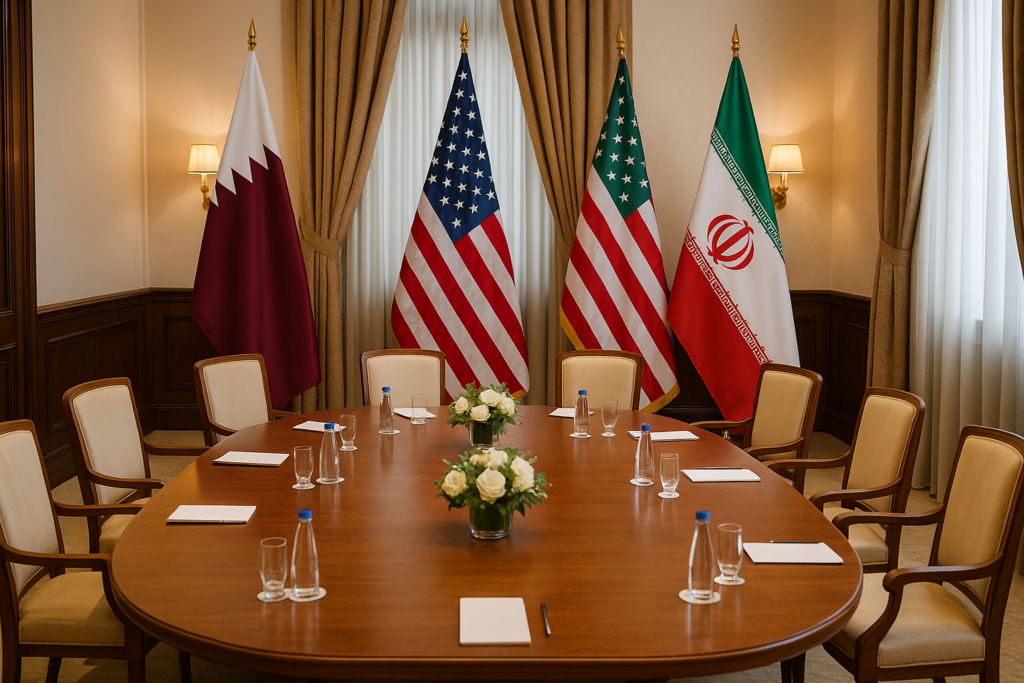
Qatar Denies Role as Mediator in U.S.-Iran Negotiations Amid Regional Tensions
Overview of Qatar’s Statement
In a recent announcement, Qatar’s Foreign Minister firmly denied that the country is acting as a mediator in ongoing diplomatic talks between the United States and Iran. The statement comes amid intensified speculation about the Gulf state’s potential role in facilitating dialogue between the two countries.
Regional Security and Trust Breakdown
The Foreign Ministry emphasized that the regional security architecture has been severely compromised. The ongoing conflicts have eroded trust between Gulf Cooperation Council (GCC) states and Iran, complicating efforts toward regional stability and cooperation.
Impact on Gulf Countries
The minister highlighted how the war and resultant tensions have fractured relations across the Gulf, making mediation efforts increasingly difficult. This deterioration affects not only diplomatic channels but also economic and security partnerships.
Implications for U.S.-Iran Relations
While external parties have shown interest in bridging the divide between Washington and Tehran, Qatar’s denial suggests a recalibration of expectations regarding neutral parties’ involvement in the process. This could influence how diplomatic backchannels evolve in the near future.
Contextualizing Qatar’s Position in Middle East Diplomacy
Qatar has historically played varied roles in regional diplomacy, often acting as a mediator in conflicts and negotiations. However, the current geopolitical landscape, marked by heightened distrust and open hostilities, limits its capacity or willingness to engage as a formal intermediary in U.S.-Iran dialogues.
Practical Takeaways
- Stakeholders should recognize the fragile nature of Gulf-Iran relations when considering diplomatic strategies.
- Expectations for Qatar’s involvement in U.S.-Iran negotiations should be tempered in light of recent statements.
- Regional security restructuring is necessary to rebuild trust and enable constructive dialogue among Gulf countries and Iran.
Frequently Asked Questions
Is Qatar officially mediating talks between the U.S. and Iran?
No, Qatar’s Foreign Minister has explicitly denied any mediation role in ongoing U.S.-Iran negotiations.
What has caused the breakdown in Gulf-Iran trust?
Ongoing conflicts and wars in the region have damaged trust and disrupted existing security frameworks between Gulf countries and Iran.
How might this affect future diplomacy in the Middle East?
The lack of mediation by Qatar may slow diplomatic progress and necessitate alternative approaches to dialogue and conflict resolution.
Frequently Asked Questions
Is Qatar officially mediating talks between the U.S. and Iran?
No, Qatar’s Foreign Minister has explicitly denied any mediation role in ongoing U.S.-Iran negotiations.
What has caused the breakdown in Gulf-Iran trust?
Ongoing conflicts and wars in the region have damaged trust and disrupted existing security frameworks between Gulf countries and Iran.
How might this affect future diplomacy in the Middle East?
The lack of mediation by Qatar may slow diplomatic progress and necessitate alternative approaches to dialogue and conflict resolution.
Original Source
This article was created as an original summary and commentary based on a source item from www.nytimes.com. Read the original source here: Qatar Is Not Mediating U.S.-Iran Talks, Foreign Minister Says.