

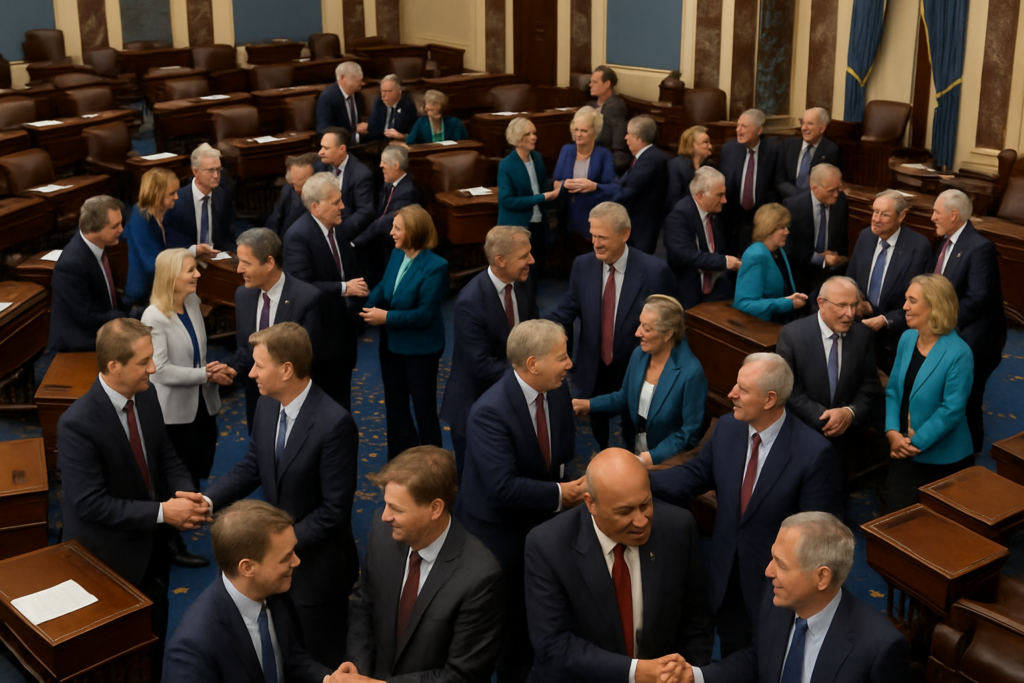
Senator Markwayne Mullin’s Confirmation: A Return to Senate Bipartisanship
The Context Behind Mullin’s Confirmation
In an era often marked by political polarization, the recent confirmation of Senator Markwayne Mullin stood out as a notable exception. His warm relationships across the Capitol and ability to work with members from both parties helped facilitate a smooth and largely uncontentious confirmation process. This event recalls a bygone era when Senate confirmations were less partisan and more collaborative.
Why Mullin’s Confirmation Matters
Mullin’s confirmation is significant not only because of the outcome but also due to what it represents. It signals the possibility of bipartisan cooperation in a Senate frequently hampered by division. His reputation as a pragmatic legislator willing to engage across party lines offers a model for how Senate confirmations might proceed more productively.
The Role of Personal Relationships
One of the key factors in Mullin’s smooth confirmation was his established rapport with colleagues from both parties. This interpersonal goodwill helped ease tensions and foster trust, underscoring the importance of personal relationships in congressional processes.
Comparison with Recent Confirmations
Unlike many recent confirmations that have been contentious and heavily partisan, Mullin’s process was marked by civility and cooperation. This contrast highlights a shift that could inspire more constructive Senate engagements in the future.
Practical Takeaways for Senate Confirmations
Mullin’s confirmation suggests several practical lessons for future confirmations: prioritizing bipartisan dialogue, building personal connections across the aisle, and focusing on qualifications rather than party allegiance. These strategies can help restore a more functional and respectful confirmation process.
Frequently Asked Questions
What made Senator Markwayne Mullin’s confirmation different?
His established bipartisan relationships and reputation for pragmatism contributed to a less contentious and more cooperative confirmation process.
Does this indicate a broader shift toward bipartisanship in the Senate?
While it’s a positive sign, it remains to be seen if this can be sustained given the current political climate.
How can future confirmations benefit from this example?
By emphasizing qualifications over party politics and fostering personal relationships, future confirmations may become more efficient and less divisive.
For more detailed coverage, visit the original article at www.nytimes.com.
Frequently Asked Questions
What made Senator Markwayne Mullin’s confirmation different?
His established bipartisan relationships and reputation for pragmatism contributed to a less contentious and more cooperative confirmation process.
Does this indicate a broader shift toward bipartisanship in the Senate?
While it’s a positive sign, it remains to be seen if this can be sustained given the current political climate.
How can future confirmations benefit from this example?
By emphasizing qualifications over party politics and fostering personal relationships, future confirmations may become more efficient and less divisive.
Original Source
This article was created as an original summary and commentary based on a source item from www.nytimes.com. Read the original source here: Mullin’s Smooth Confirmation Was a Throwback in the Senate.