

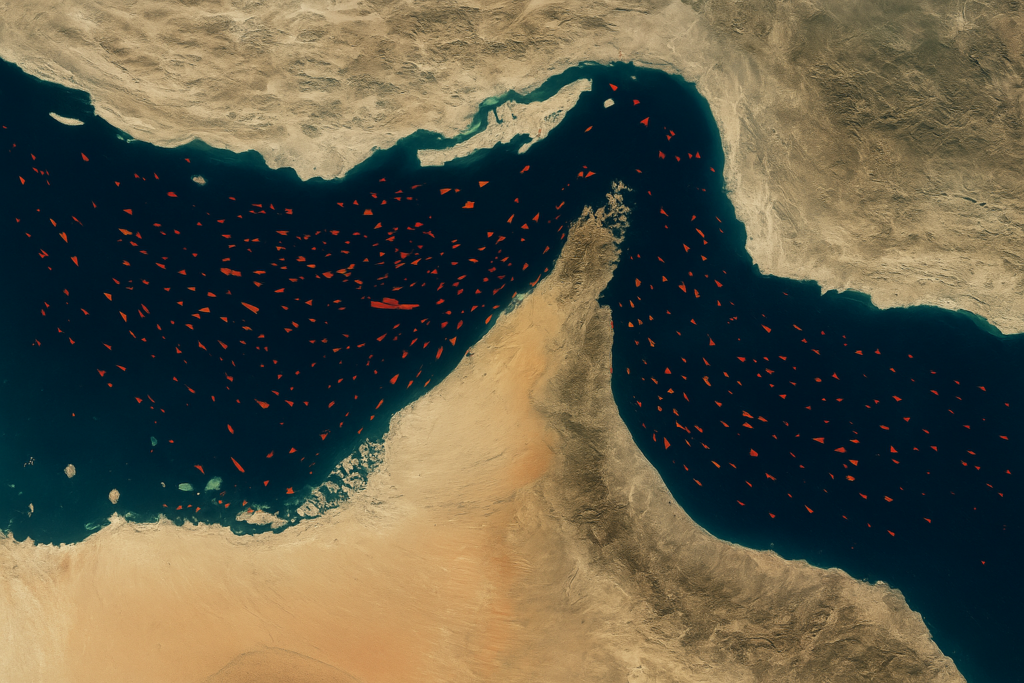
Strategic Movements in the Strait of Hormuz: 2026 Overview
Context and Recent Developments
In a notable shift in maritime activity, Chinese ships have recently ceased their attempts to traverse the Strait of Hormuz, despite Iran’s public assurances of safe passage for international vessels. This development underscores the ongoing geopolitical tensions and strategic maneuvers in one of the world’s most critical maritime chokepoints.
Iran’s Toll Collection and Its Impact
Introduction of the ‘Tehran Toll Booth’
Iran has formalized a toll system, colloquially termed the ‘Tehran toll booth,’ requiring ships to pay significant fees to pass through the strait. This move aims to exert economic pressure and assert control over a vital route for global energy supplies.
Implications for Global Oil Markets
Brent crude oil prices surged past $110 per barrel following reports of Chinese ships being turned away and the toll system’s implementation. Such developments threaten to disrupt oil supply chains and influence international markets.
Practical Takeaways for Maritime Stakeholders
- Maritime companies need to reassess routes and prepare for possible increased costs due to Iran’s toll system.
- International governments are likely to monitor Iran’s actions closely, potentially leading to diplomatic or economic responses.
- Understanding regional geopolitics is crucial for strategic planning in energy and shipping sectors.
Comparative Perspective
This situation echoes past tensions in the Strait of Hormuz, where control over passage has often been a flashpoint for broader geopolitical conflicts. The current toll regime resembles previous sanctions and blockade efforts, but with a new emphasis on economic leverage through direct toll collection.
FAQs
What is the significance of the Strait of Hormuz?
The Strait of Hormuz is a strategic waterway vital for global oil transportation, with a significant percentage of the world’s petroleum passing through it.
How does Iran’s toll system affect international shipping?
Ships are required to pay tolls, which can increase transit costs and cause delays, impacting global supply chains and energy markets.
What are the potential future developments?
Further escalation could involve increased tensions, sanctions, or diplomatic efforts to ensure safe passage for international vessels.
{
“@context”: “https://schema.org”,
“@type”: “Article”,
“headline”: “Chinese Maritime Movements and Strait of Hormuz Developments in 2026”,
“description”: “Chinese ships halt exit attempts through the Strait of Hormuz amid Iran’s toll regime, highlighting ongoing strategic and economic tensions in the region.”,
“author”: {
“@type”: “Organization”,
“name”: “News Agency”
},
“publisher”: {
“@type”: “Organization”,
“name”: “YourPublisherName”,
“logo”: {
“@type”: “ImageObject”,
“url”: “https://yourwebsite.com/logo.png”
}
},
“datePublished”: “2026-03-27”
}
{
“@context”: “https://schema.org”,
“@type”: “FAQPage”,
“mainEntity”: [
{
“@type”: “Question”,
“name”: “What is the significance of the Strait of Hormuz?”,
“acceptedAnswer”: {
“@type”: “Answer”,
“text”: “The Strait of Hormuz is a strategic waterway vital for global oil transportation, with a significant percentage of the world’s petroleum passing through it.”
}
},
{
“@type”: “Question”,
“name”: “How does Iran’s toll system affect international shipping?”,
“acceptedAnswer”: {
“@type”: “Answer”,
“text”: “Ships are required to pay tolls, which can increase transit costs and cause delays, impacting global supply chains and energy markets.”
}
},
{
“@type”: “Question”,
“name”: “What are the potential future developments?”,
“acceptedAnswer”: {
“@type”: “Answer”,
“text”: “Further escalation could involve increased tensions, sanctions, or diplomatic efforts to ensure safe passage for international vessels.”
}
}
]
}
Original Source
This article was created as an original summary and commentary based on a source item from news.google.com. Read the original source here: Chinese ships halt attempt to exit Hormuz despite Iran safe passage assurances – Reuters.